
Why Do I Keep Missing Easy Snooker Shots? Common Causes and Fixes
Use a simple diagnostic routine to distinguish aiming mistakes, moving during the shot and poor decisions instead of rebuilding your technique after every miss.

Describe the shot before judging yourself
An “easy” shot is often one you expect to pot, not one you have actually made consistently. Write down its distance, angle, cue-ball position and required speed. A near-pocket object ball can still be awkward if white is on a cushion or the next position demands an unfamiliar stroke. Recreate the shot in practice rather than relying on a frustrated memory. This turns a vague complaint into a specific task that can be tested and discussed with a coach.
Check preparation before adding new technique
Common causes include choosing the line while already down, changing the grip on delivery and moving the head before contact. Start with a comfortable bridge and a deliberate pause in your preparation, without forcing a professional’s exact timing. If the line feels wrong, stand up and rebuild. Avoid simultaneously changing stance, grip, tip position and power after a single miss. Too many changes erase the baseline you need to work out whether the problem was recognition, setup or execution.
Compare patterns across a small repeated set
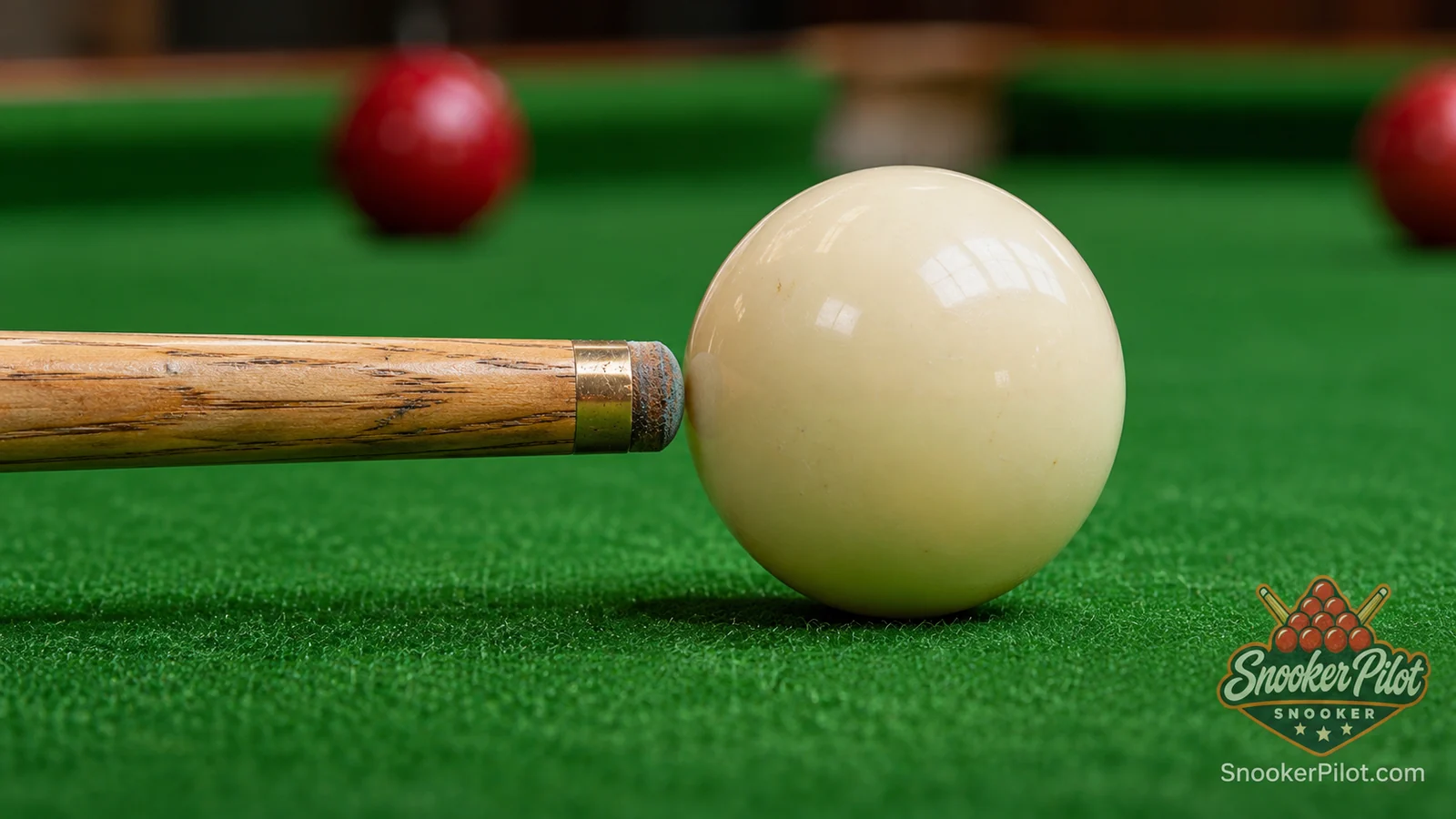
Play the same uncomplicated shot several times with centre-ball striking and similar pace. Consistent misses on one side suggest a different investigation from scattered misses, but neither pattern proves one diagnosis by itself. Look at the cue-ball route and whether the object ball was struck as intended. Then change just the distance or angle and repeat. Keep table conditions in mind: a familiar pot on another table may require different speed judgment, without necessarily demanding an entirely new aiming system.
Use a reset rather than a spiral
After a match miss, check the score, accept the turn change and give the opponent space. Save detailed diagnosis for practice. In the next session, work on one repeatable version and note what changed. If frustration makes you rush, reduce the task to a shorter pot with a large position zone. Improvement is easier to judge from a sequence of comparable sessions than from one exceptional break or one poor evening. A coach’s observation is more useful than repeatedly guessing at hidden faults.
At your club with SnookerPilot
SnookerPilot’s ball history and undo can resolve a scoring-entry mistake, while local results and best breaks give a longer view of actual games. Those records should not be confused with a technical diagnosis: the app does not track each missed pot or analyze video. Keep your shot notes separately and use the scoreboard to remove uncertainty about the game state, not to judge every practice attempt.
Compare the packages