
Foul and a Miss in Snooker: When It Applies and What Happens Next
Separate an ordinary foul from a foul and a miss, understand replay choices and avoid the common three-foul misunderstanding.
An unsuccessful escape is not one single situation
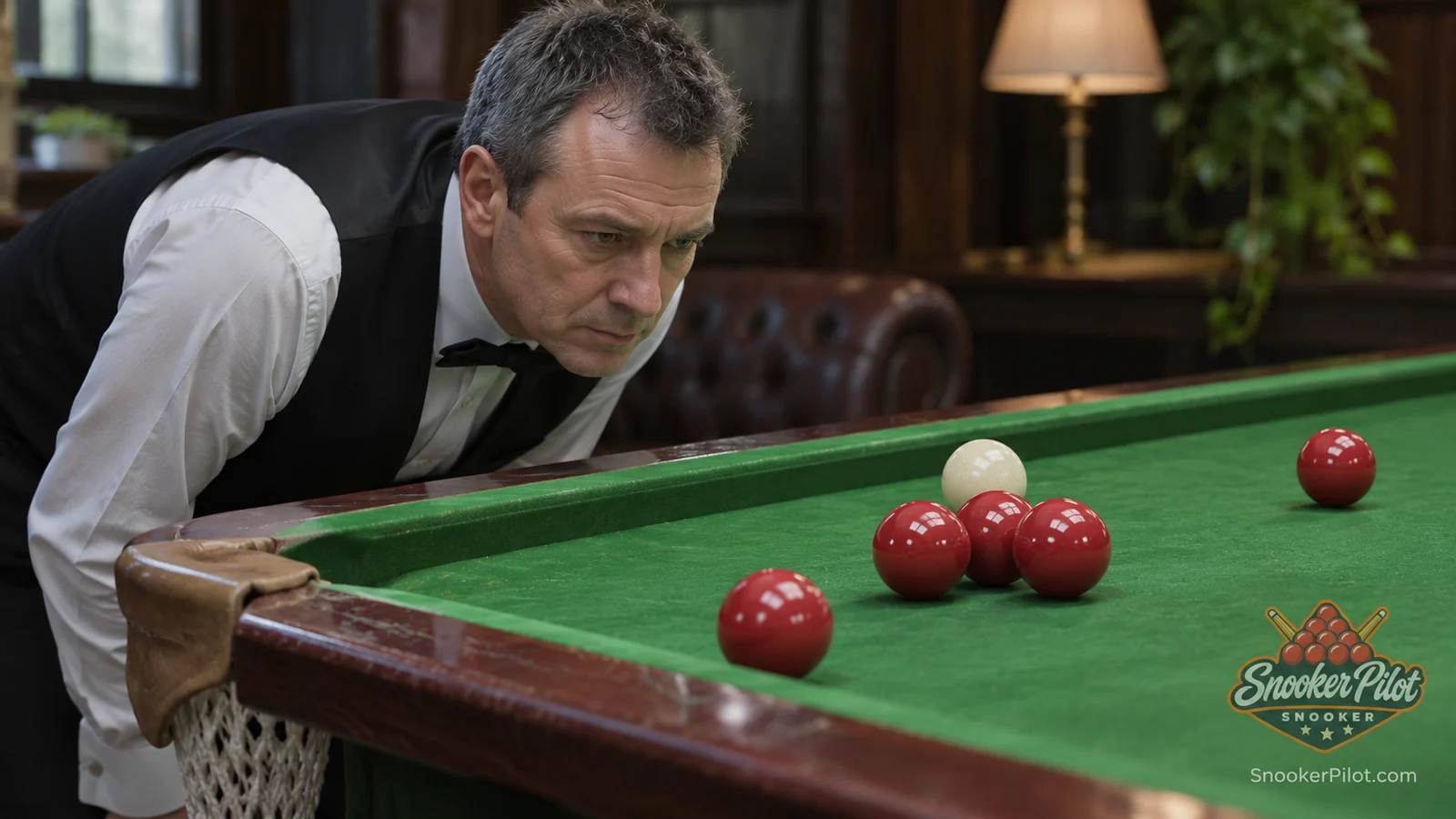
A foul occurs when a stroke breaks the rules, such as failing to contact a ball on first. A miss is an additional refereeing decision about the effort to make the required contact under the rule’s conditions. It is not simply another word for missing a pot. A player can miss a pot legally without conceding any points. Equally, a foul can occur without a miss being called. Establish the actual first contact and the referee’s ruling before changing the score or moving balls.
Understand the incoming player’s choices
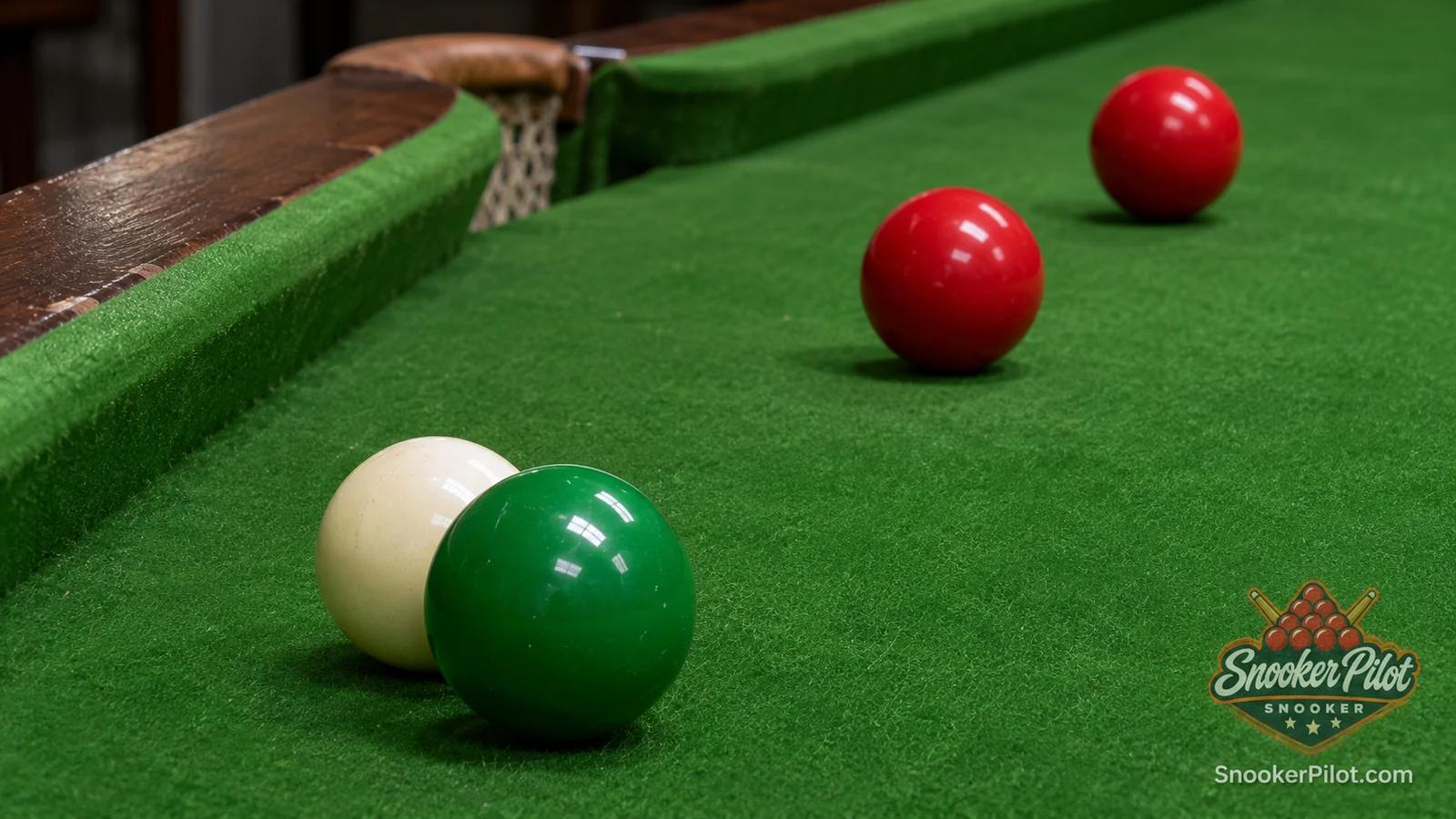
After a foul and a miss, the non-offending player has choices specified by the rules, which can include requesting replacement of the balls and asking the offender to play again. Having the offender continue from the position left is a different option from replacing the original position. Make the choice clearly before anyone touches the table. Replacement is a careful reconstruction, not a chance to arrange a more convenient escape. The foul penalty is recorded even when the balls are replaced and the same shot is replayed.
What Is a Free Ball in Snooker? Rules Explained With Examples
Consider the score and available contact
The official miss rule includes important conditions relating to available contact, a player’s best effort, impossible positions and situations involving required penalty points. That is why a rule copied from a short television clip can produce the wrong decision in a club frame. Nor does “three fouls lose the frame” describe every sequence: the frame-loss provision concerns specified repeated failures and warnings when the relevant full-ball contact is available. Three unrelated fouls during a frame do not automatically trigger that provision.
Agree a workable process before a friendly game
Competitions should apply their published conditions and the official rules. Casual partners sometimes agree a modified approach because they have no referee or reliable way to replace balls; make that agreement before starting and keep it separate from claims about the official rule. If a difficult escape causes disagreement, pause, consult the rulebook and record the decision. As a training exercise, practise the escape again after the frame rather than using a live scoring dispute as an improvised coaching session.
At your club with SnookerPilot
In SnookerPilot, record the agreed foul penalty and keep the correct player selected when play resumes. Ball history and undo help correct an entry error, while the match timer and saved result retain useful context. The software does not replace balls physically or decide whether the player made their best effort. For a club tournament, explain the refereeing procedure alongside the bracket and frame format.
Compare the packages