
How to Calculate Snookers Required and Points Remaining
Work out the points left on a snooker table, compare them with the score gap and understand what “snookers required” really means.
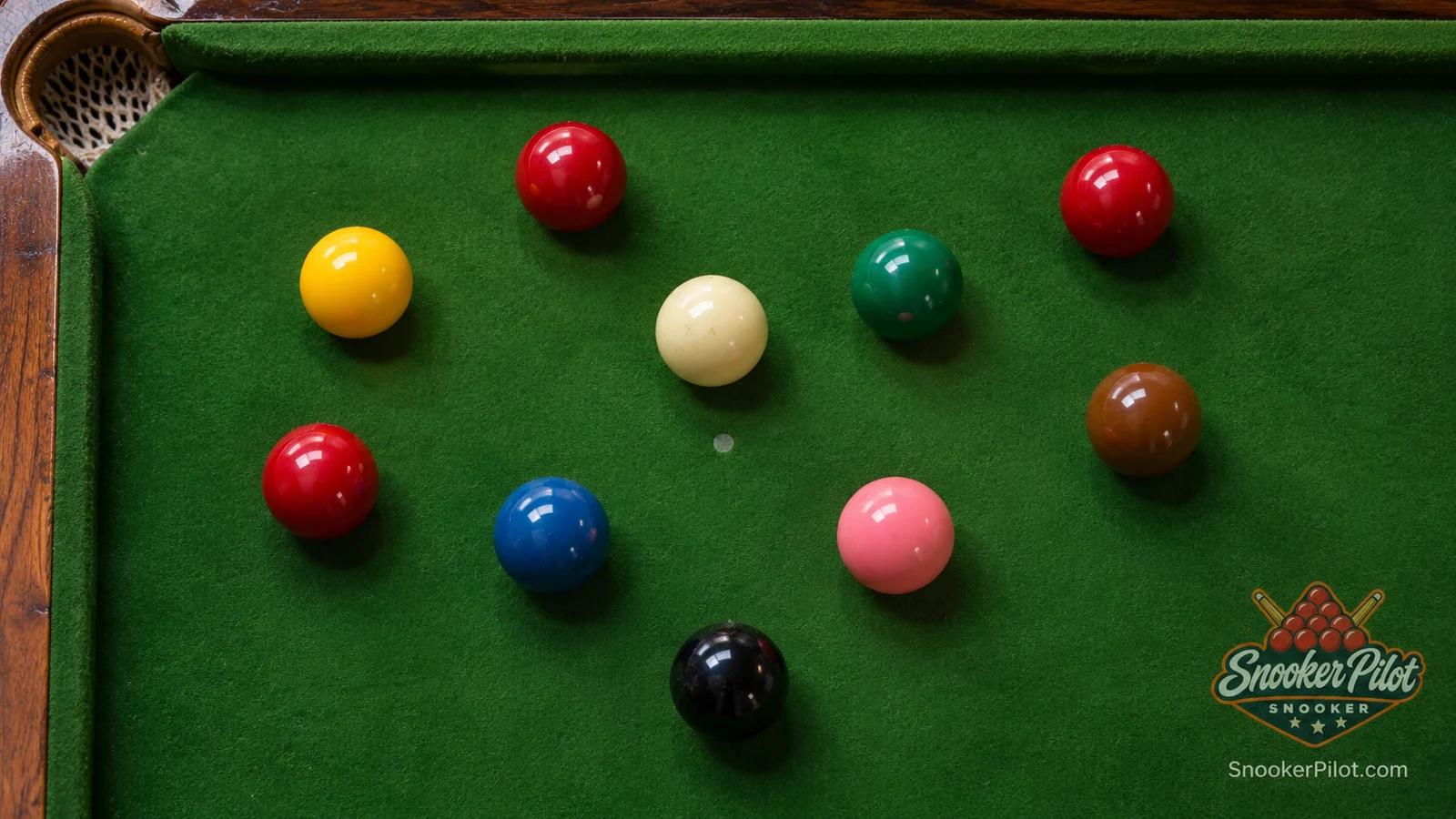
Count the available scoring first
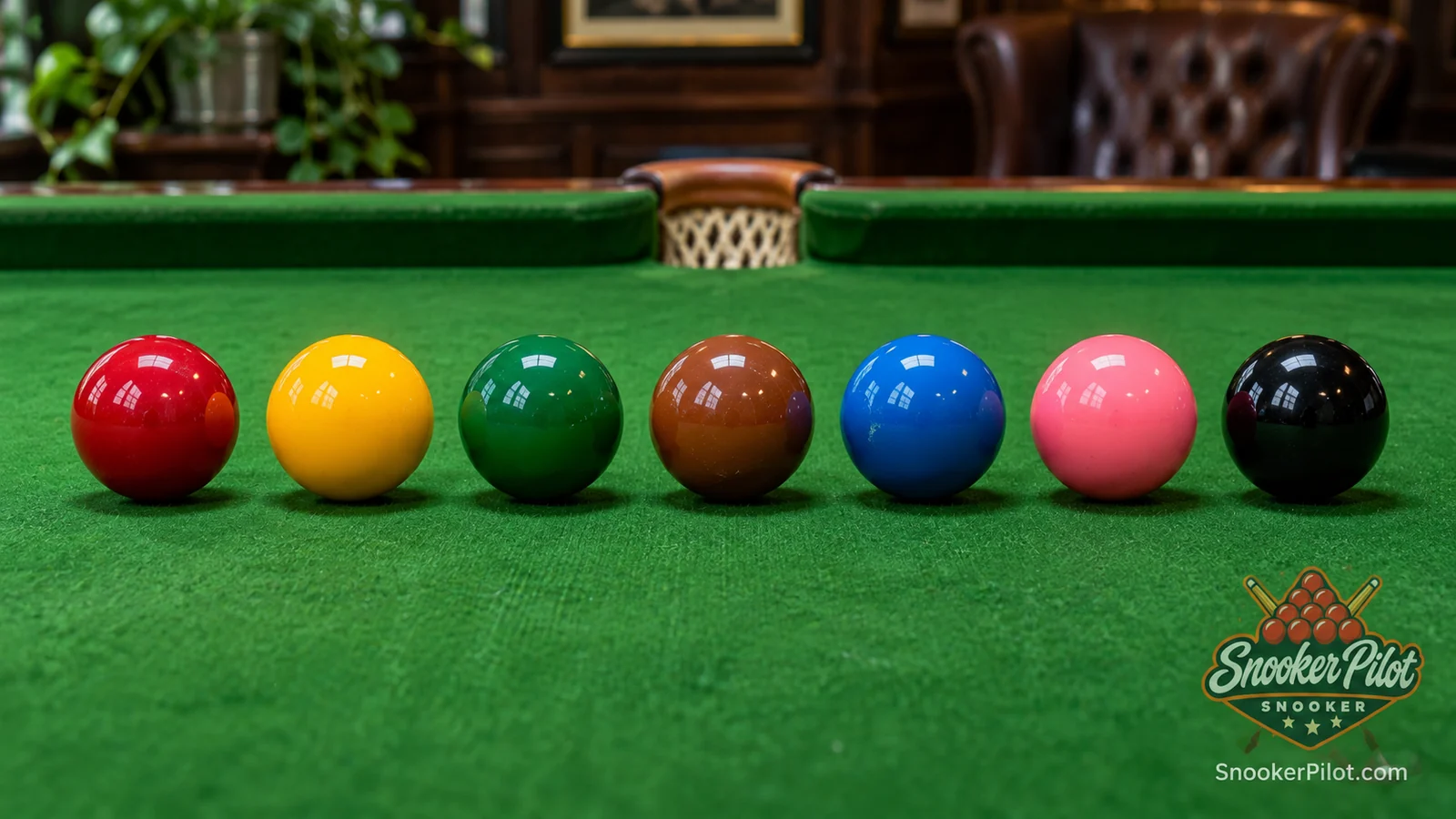
With reds remaining and a red next, a useful maximum-points estimate is eight for each remaining red, plus twenty-seven for the colours. Five reds therefore leave 5×8+27=67 possible potting points if every red is followed by black. This is an upper bound, not a promise that the balls are easy. If a colour is currently on after a red, include that colour opportunity separately. With no reds left, add only the colours still legally in play; blue, pink and black total eighteen.
Compare the maximum with the actual gap
Subtract the trailing player’s score from the leader’s score. A gap smaller than the remaining points can still be overturned by potting alone. A gap equal to the remaining points may allow a tie rather than an outright win. Once the gap exceeds the available potting points, the trailing player needs penalty points to catch up, assuming the usual position without an additional free-ball opportunity. Check the current ball on before announcing a number: one missing red or an overlooked colour can change the calculation.
Translate the shortage into a sensible estimate
Suppose a player trails by seventy-three with sixty-seven available. The shortage is six points. Two four-point fouls would provide eight, enough to turn that maximum clearance into a lead. This is why a display may describe the position as requiring two snookers. It is shorthand for the expected penalty opportunities, not a guarantee of two particular shots. Foul values can be five, six or seven when the relevant balls require it. A single higher-value foul, a free ball or a changed layout can alter the arithmetic.
Know when the numbers are not the whole decision
Laying a snooker does not itself score: the opponent must commit a foul for penalty points to be awarded. A player can also choose to concede within the applicable rules rather than continue chasing penalties. When black is the only object ball remaining, special end-of-frame rules matter; do not assume the same four-point-foul model continues indefinitely. For club scoring, state the score gap, remaining points and the assumptions behind a snookers-required estimate. That is clearer than announcing an unexplained number.
At your club with SnookerPilot
SnookerPilot shows remaining points and the lead on its TV scoreboard. Staff can use those figures as a quick check while keeping the red count and scoring actions accurate. If a physical ball has been removed or a score entered incorrectly, reconcile the table and ball history before relying on the estimate. The scoreboard supports the calculation; match officials still apply free-ball, foul and end-of-frame decisions.
Compare the packages