
How to Build Your First 30 Break in Snooker
Plan a realistic route to thirty points, simplify your practice layout and learn to recover position instead of chasing difficult blacks.
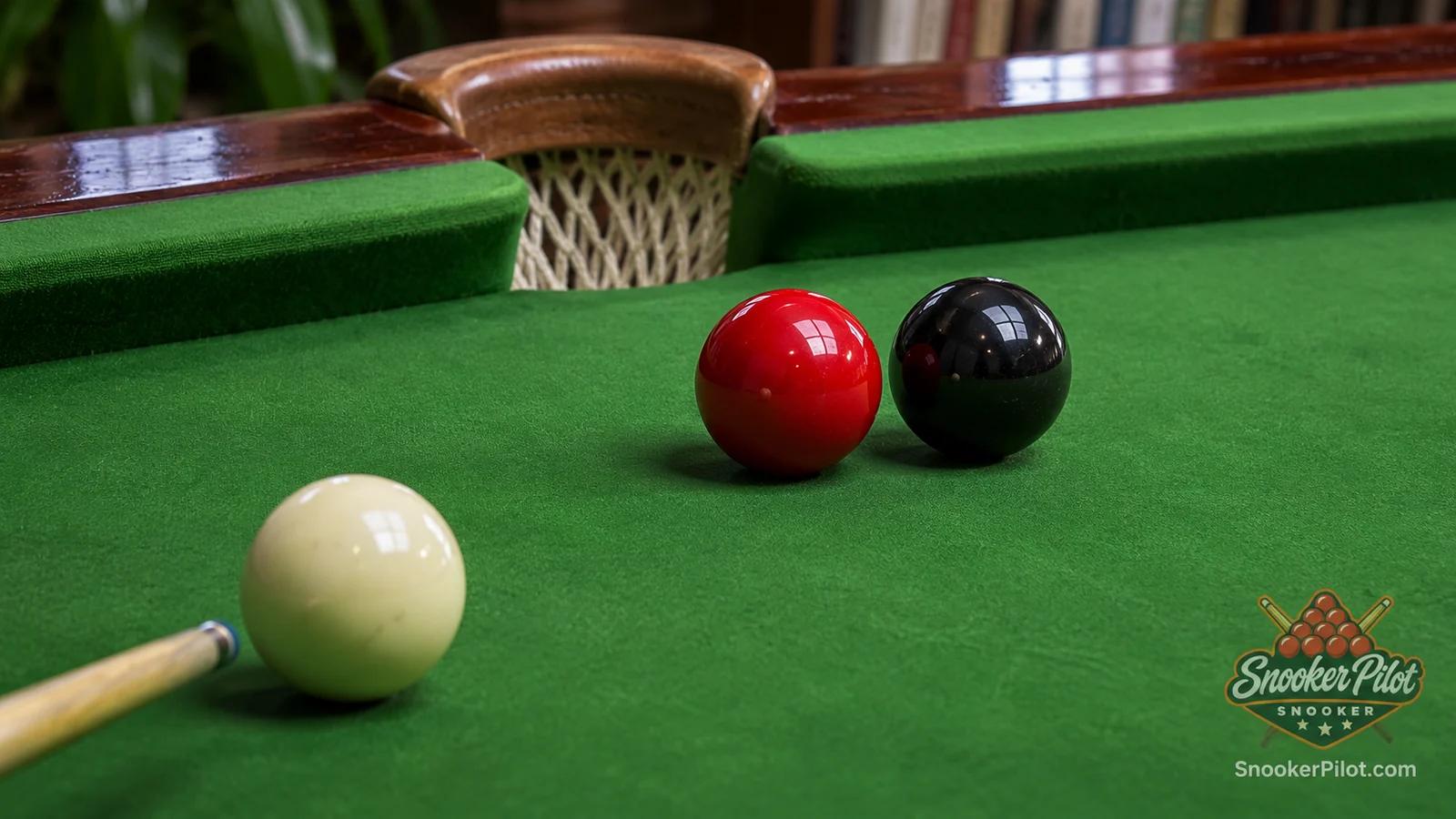
Know what thirty points can look like
A thirty break does not require fifteen reds or constant spectacular pots. Three red-black pairs make twenty-four; another red and blue add six to reach thirty. Other combinations work too. The challenge is keeping one visit alive with sensible cue-ball routes. Count a few possible sequences before practice so the target feels like a series of achievable choices. Do not force black when a safer colour leaves a much easier next red. The next controllable shot usually matters more than maximizing one pot.
Begin with an open practice layout
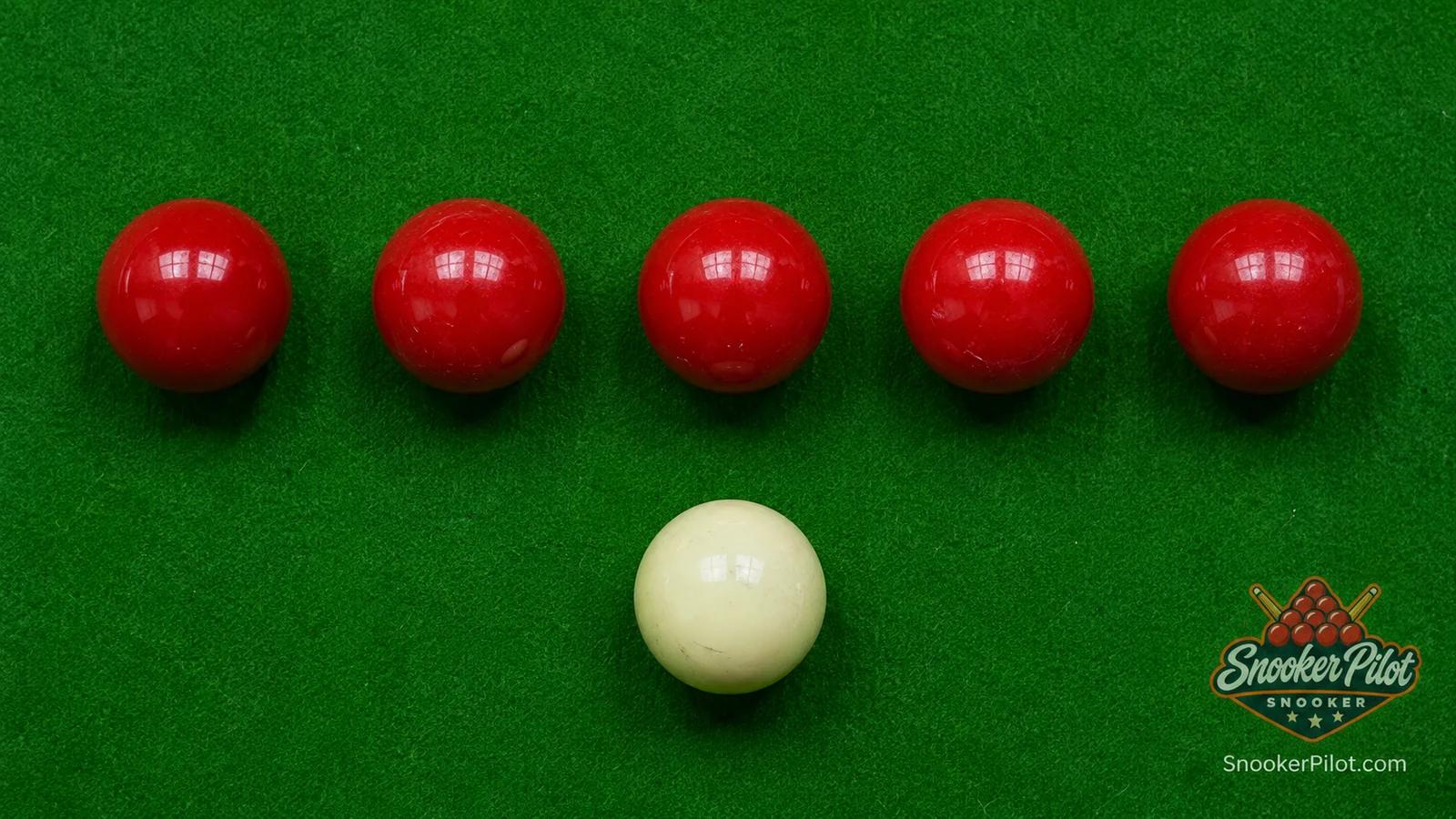
Use a handful of reds with clear access to a colour and room for the cue ball. This is a practice setup, not a claim that you made a thirty from a normal match position. Start with one red and a colour, then increase the number of reds as your position improves. If the same transition fails, repeat that transition rather than restarting an entire full-table routine. You are trying to learn the connection between two shots, not merely measure how quickly a difficult exercise breaks down.
Choose a position zone for the next red
Before each stroke, identify the next red and the side of the colour that gives a useful route to it. Prefer a generous area over a tiny perfect point. Plan the pace required to reach that area and whether a cushion is actually necessary. On a missed position, reassess the whole table instead of playing the originally planned colour at any cost. A lower-value colour that preserves a simple next red can be the right recovery. Break building includes changing your plan calmly.
Measure progress beyond one personal best
Track whether you can connect two reds more often, recover from a slightly wrong angle and finish a small routine without losing your stroke rhythm. Record practice breaks separately from competitive match breaks. Once the open layout becomes repeatable, bring the reds closer to normal positions and add the decisions that a real frame creates. A first thirty is a milestone, not a deadline: consistent smaller visits may already improve match results. Review the transitions that ended visits rather than only the final total.
At your club with SnookerPilot
SnookerPilot displays current and best-break information during real games and retains local results on the tablet. Those records can show when practice begins to transfer into match play. Keep artificial practice layouts and trial scores separate from the club’s paid-game history. Club and higher plans also offer tournament play, where applying a simple repeatable break-building process can matter more than chasing a showpiece score.
Compare the packages