
Snooker Safety Play: How to Leave Your Opponent Difficult Shots
Learn to choose a useful defensive objective, control both balls and practise safety exchanges without confusing a snooker with automatic points.
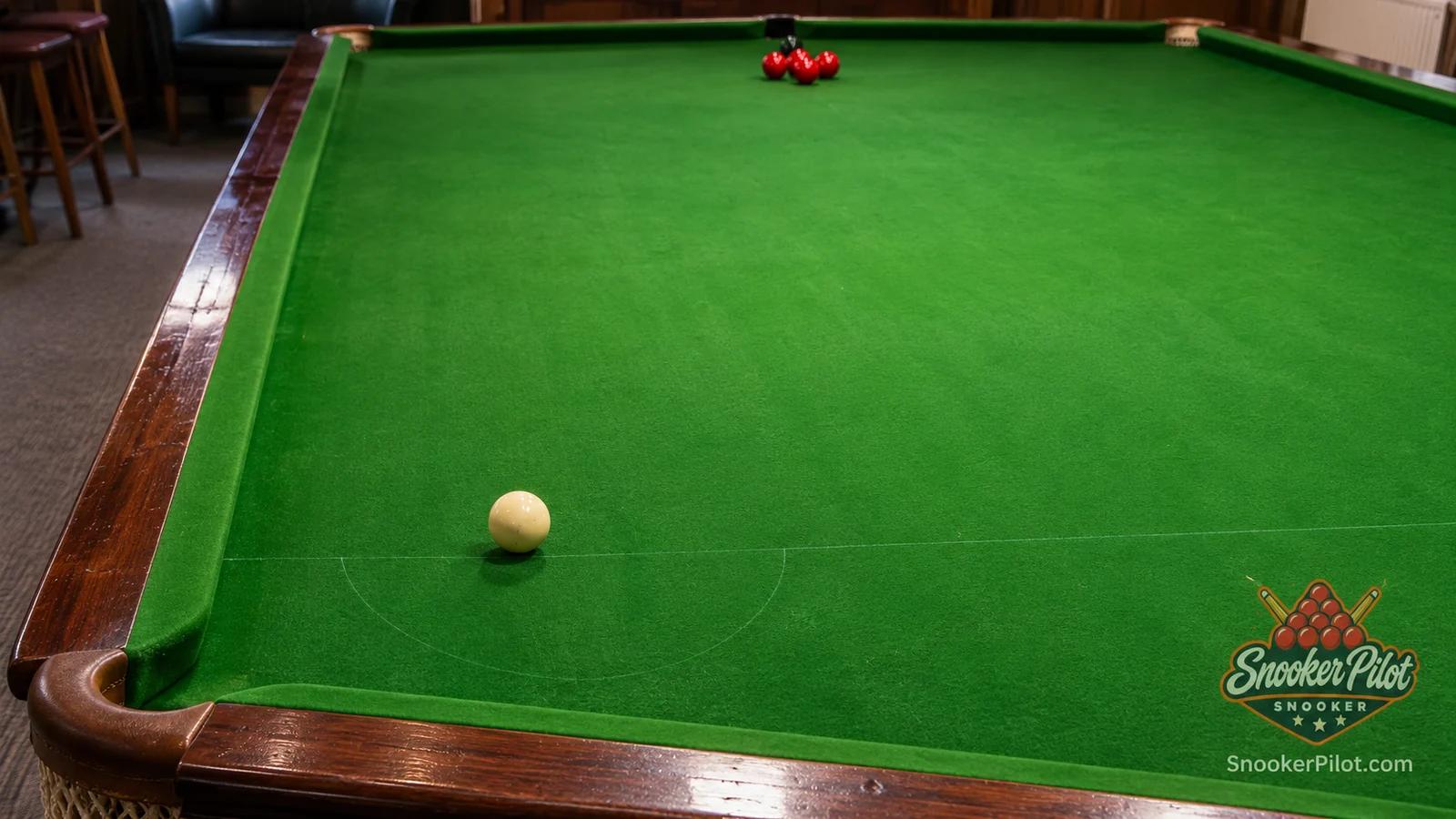
Decide what a successful safety looks like
A defensive stroke can aim to leave white far from a red, place an obstructing colour between them or return the cue ball to a less inviting area. These are different objectives. Before the shot, choose the main problem you want the opponent to face and identify the easiest escape you might accidentally leave. A full snooker is not always needed for a useful safety. Distance, awkward cueing and limited access can make a legal reply demanding even when a red remains visible.
Control the object ball as well as white
Beginners often watch only the cue ball and overlook the red being sent into an open potting position. Think about both routes, possible collisions and the effect of a slightly thick or thin contact. Use a simple practice layout to compare outcomes with modest changes in pace. A safety that succeeds only with a perfect tiny contact may be unsuitable under match pressure. Prefer a route whose likely misses still leave a manageable position, rather than judging only the best possible result.
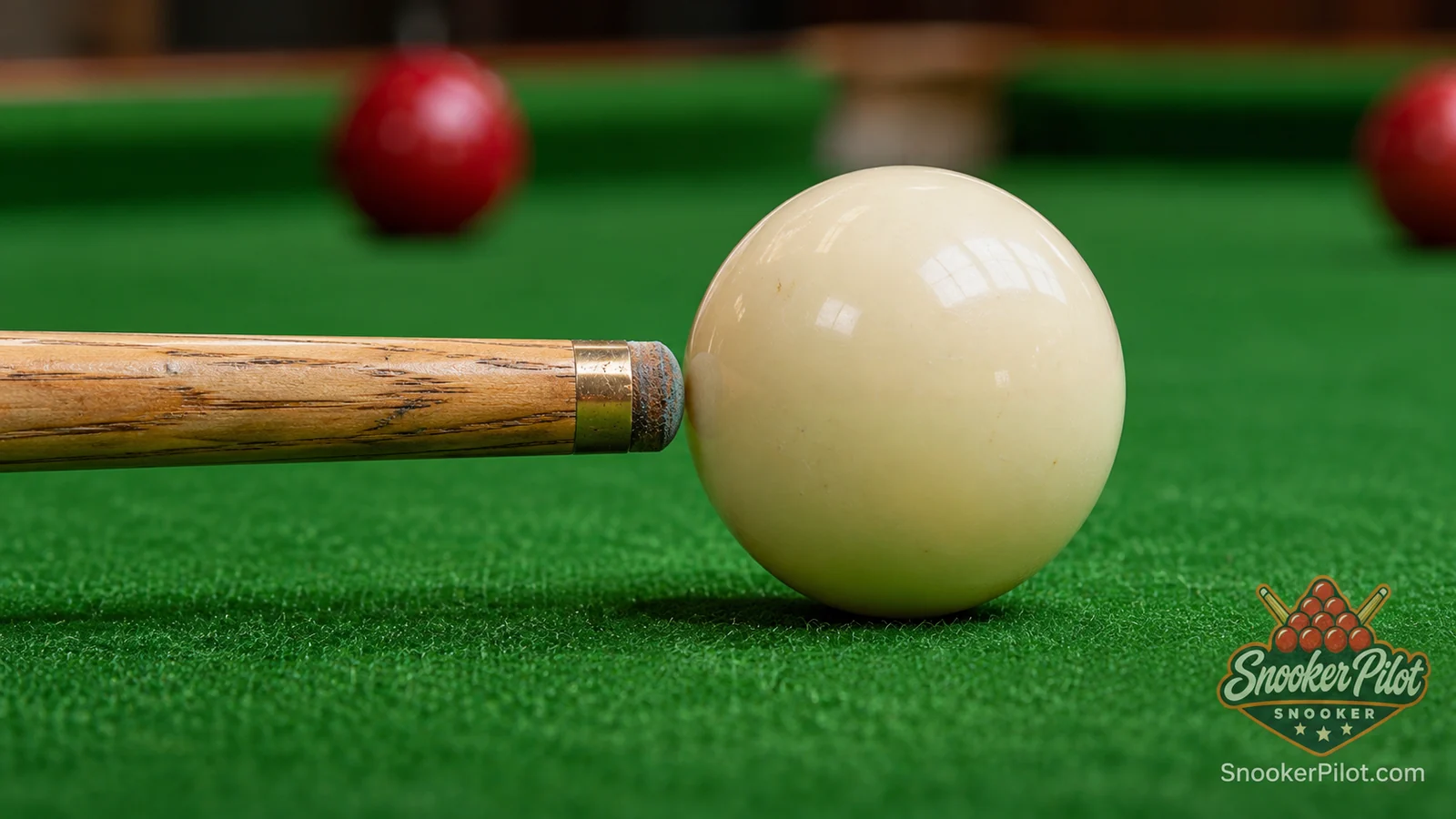
Keep the stroke legal and understand penalties
A safety must still satisfy the rules for the ball on and the rest of the stroke. Leaving an opponent snookered does not itself earn points: they must commit a foul for penalties to arise. A poor escape is not automatically a miss ruling, and a difficult position after a legal safety does not automatically create a free ball. Treat these as separate decisions. If you are chasing penalty points, check the actual score gap and points remaining before deciding whether continued defensive play is worthwhile.
Practise the reply, not just your own shot
After a training safety, walk around and look at the position from the opponent’s side. Try a sensible reply and then compare how the original safety could improve. This makes the exercise a conversation between positions rather than a single attractive photograph. Keep notes on common mistakes, such as leaving white short or opening a red. Add match-like decisions gradually. Good safety includes knowing when the opponent has left a genuine opportunity to attack, instead of automatically returning every ball to baulk.
At your club with SnookerPilot
SnookerPilot keeps the score gap, remaining points and selected player visible during tactical exchanges. Its timer records game context rather than deciding whether a safety is good. On Club and above, the waiting queue also helps staff see who follows a lengthy frame. Use the app to record actual penalties after a ruling; laying a snooker alone should not generate an extra scoring entry.
Compare the packages